

Many clients seek laser treatments to clear stubborn pigmentation, but struggle to distinguish Picosecond Laser technology from ND YAG Laser devices. Concerns about post-inflammatory hyperpigmentation (PIH) and fear of skin thinning frequently lead to clinical hesitation.
Understanding the fundamental differences between Picosecond Laser and ND YAG Laser, setting realistic multi-session expectations, and applying rigorous post-treatment sun care enables aesthetic clinics to optimize patient outcomes while avoiding common treatment pitfalls.
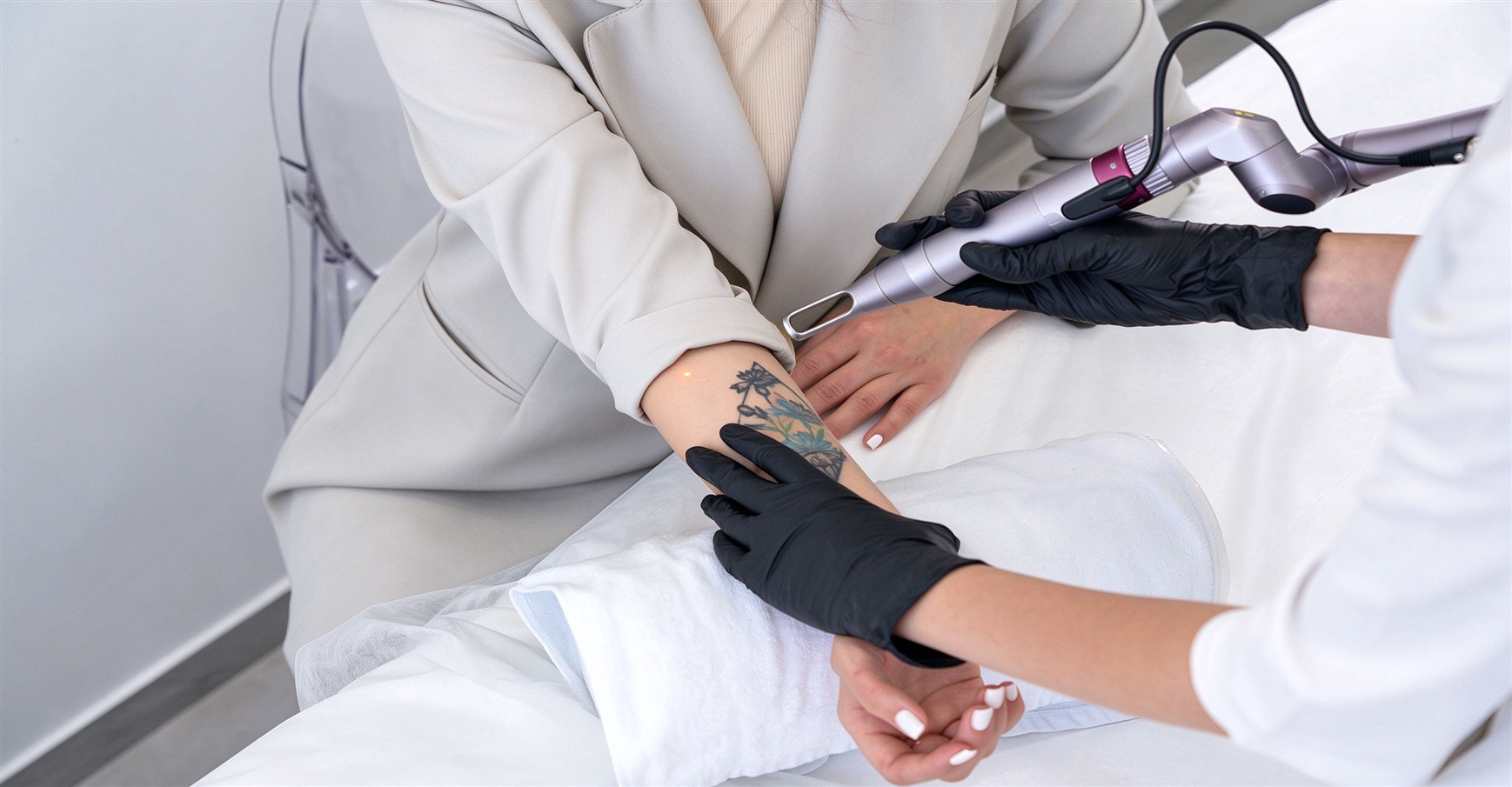
Figure 1. HuaMei High-End Picosecond Laser Workstation featuring ultra-short pulse delivery, flat-top hat beam profile, and 7-joint articulated optical arm.
Picosecond Laser vs. ND YAG Laser: The Clinical Guide
1. What Is the Difference Between Picosecond Laser and ND YAG Laser?
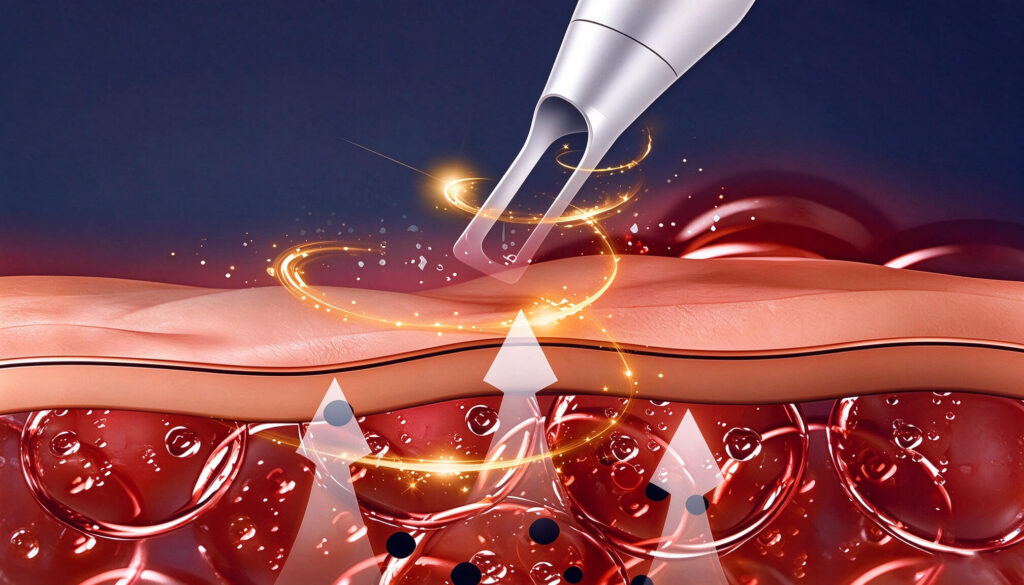
A picosecond is one trillionth of a second. The Picosecond Laser releases optical energy in an ultra-short pulse duration, generating a dominant ‘Photoacoustic Shockwave Effect’ that shatters melanin granules into ultra-fine dust-like particles. These microscopic fragments are rapidly metabolized and cleared by macrophage phagocytosis with minimal heat spread.
In comparison, the ND YAG Laser (Q-Switched ND YAG) is a separate, highly established laser platform that uses high-energy pulses to break down pigment through photothermal and mechanical action. While the ND YAG Laser is a dependable workhorse for body tattoo removal and carbon peel facials (Black Doll), the Picosecond Laser represents an advanced solution that minimizes thermal damage, reduces recovery downtime, and lowers PIH risk for delicate facial pigmentation.
- Picosecond Laser: Ultra-short pulse duration delivering concentrated photoacoustic energy, ideal for stubborn epidermal spots, melasma toning, and multi-color tattoos with minimal downtime.
- ND YAG Laser: Versatile dual-wavelength (1064nm & 532nm) plus 1320nm platform, widely used as an essential clinic workhorse for body tattoos, dermal birthmarks, and pore-refining carbon peels.
- Two Distinct Equipment Lines: Aesthetic clinics frequently deploy both machines—using the ND YAG Laser for high-volume entry-level procedures and the Picosecond Laser for premium facial rejuvenation and rapid pigment clearance.
2. Matching Spot Types: Which Indications Respond Best to Picosecond Laser?
Superficial spots such as freckles and sunspots typically lighten noticeably in 1–2 sessions with Picosecond Laser. Deep dermal pigmentation like Nevus of Ota, Hori’s nevus, and dense tattoos require 3–7 sessions with structured 4–6 week intervals. Unstable Melasma requires conservative low-fluence toning; aggressive high-energy pulsing must be avoided on both Picosecond and ND YAG systems to prevent inflammatory rebound.
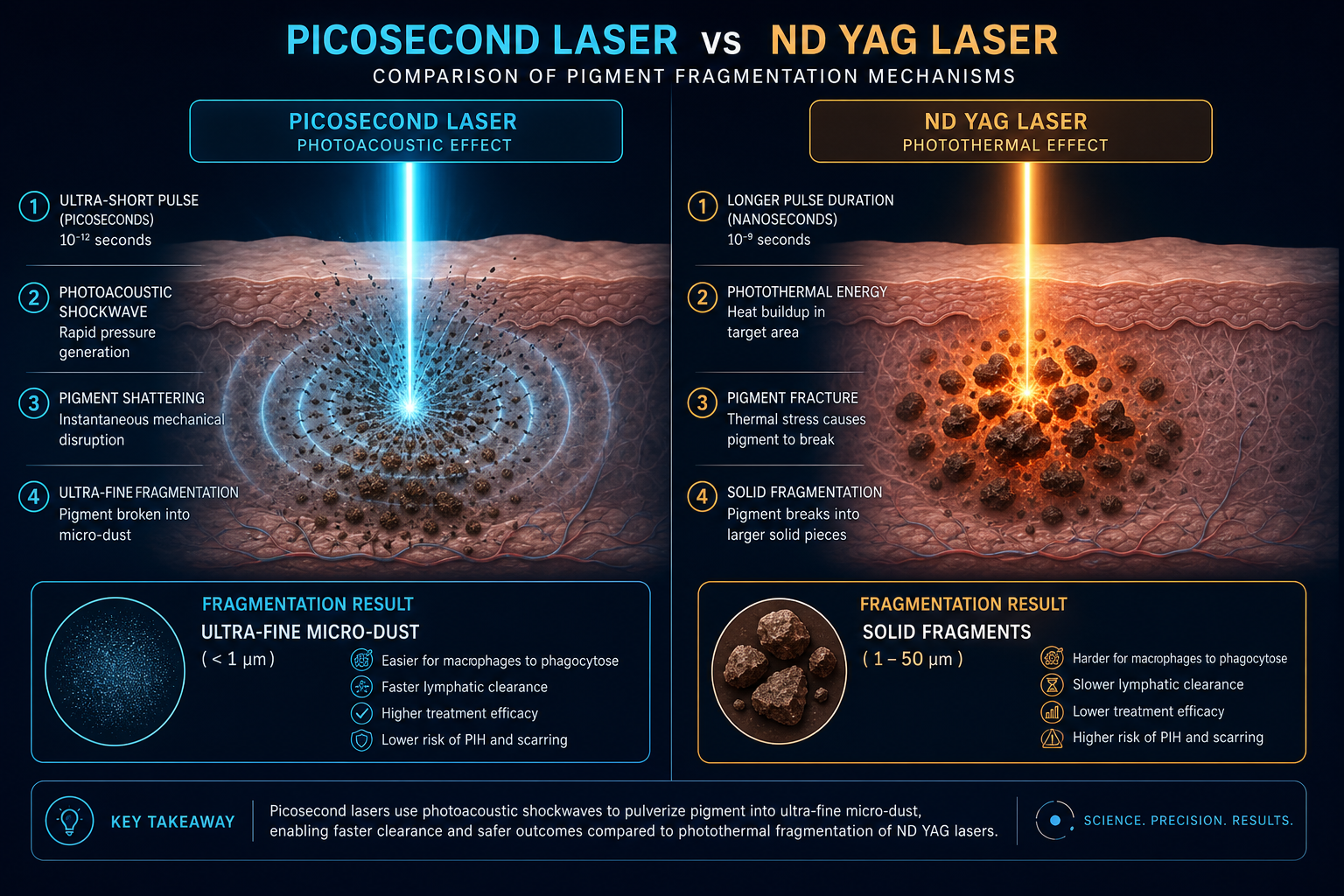
Figure 2. Pigment fragmentation mechanism: Picosecond Laser shatters melanin into ultra-fine micro-dust via photoacoustic shockwave, compared to ND YAG Laser photothermal fragmentation.
Image alt text: Microscopic diagram comparing Picosecond Laser photoacoustic fine dust fragmentation with ND YAG Laser photothermal breakdown.
Debunking common myths: Picosecond laser does not thin the skin; controlled micro-injury stimulates dermal collagen remodeling, improving skin elasticity and pore texture over time.
3. Understanding Post-Inflammatory Hyperpigmentation (PIH) & Recovery Protocols
Transient post-inflammatory darkening (PIH) represents a normal biological repair reaction where activated melanocytes produce temporary melanin. In most patients, PIH gradually metabolizes and resolves within 1 to 3 months when supported by gentle barrier moisturizers.
Rigorous UV protection is non-negotiable during recovery: physical shade barriers (broad-brimmed hats, medical masks) paired with SPF 50+ broad-spectrum sunscreen prevent UV-induced melanogenesis. Patients should pause retinoids, exfoliants, saunas, and hot baths for 7 days post-treatment.
4. How Aesthetic Clinics Should Position Picosecond & ND YAG Laser Treatments
- Conduct thorough pre-treatment consultations: Differentiate epidermal spots from hormonally driven melasma to set realistic multi-session expectations.
- Calibrate energy fluence to clinical endpoints: Avoid overtreatment; mild erythema is the target endpoint rather than sharp pinpoint bleeding.
- Package into comprehensive pigment management programs: Combine laser sessions with soothing medical hydration and barrier-repair treatments.
- For equipment distributors: Offer both ND YAG Laser (cost-effective tattoo/carbon peel staple) and Picosecond Laser (flagship aesthetic workstation) to meet different client budget tiers.
5. A Practical Buyer Checklist for Picosecond & ND YAG Equipment
-
True picosecond pulse width verification for Picosecond Laser (300ps–750ps across working fluences).
-
Wavelength versatility on ND YAG Laser (1064nm, 532nm standard, and 1320nm carbon peel tip).
-
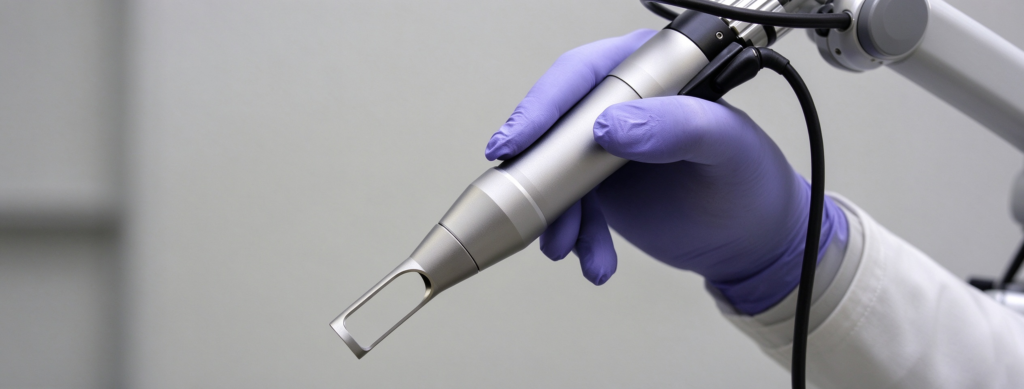
Korean 7-joint articulated optical arm transmission efficiency and beam balance on picosecond consoles.
-
Honeycomb focus array (MLA / DLA) for non-ablative skin rejuvenation and acne scar smoothing.
-
FDA and Medical CE certifications with complete factory export documentation.
Shandong Huamei Technology Co., Ltd. has over 20 years of direct manufacturing experience, 60+ international certificates, 380+ patents, and partners across 150+ countries, offering full OEM/ODM customization from 1 unit.
Suggested CTA
Looking to upgrade your aesthetic clinic or salon with an advanced Picosecond Laser or ND YAG Laser platform? Explore HuaMei’s laser systems, compare configurations, and contact our clinical team for model recommendations and direct factory pricing.